How an Emergency Dentist Helps With Infected Gums and Severe Swelling
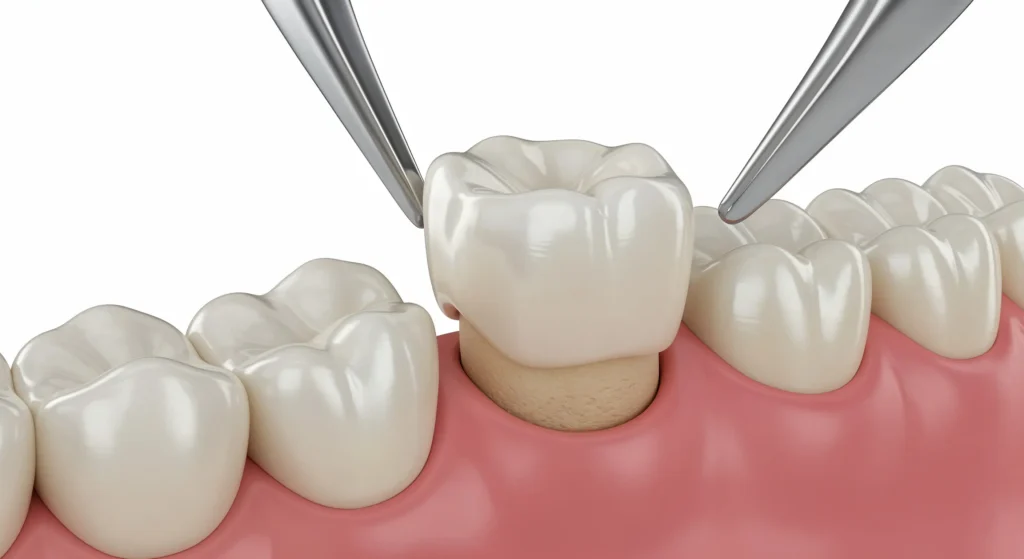

A swollen gumline can move from annoying to alarming in a surprisingly short time. One morning it may feel like a tender spot when you brush. By evening, your cheek looks puffy, your bite feels off, and even room-temperature water stings. When swelling is tied to infection, time matters. This is where an Emergency Dentist becomes far more than a convenience. In the right situation, urgent dental care can relieve pain, stop the spread of infection, preserve teeth, and, in some cases, help prevent a problem from becoming medically dangerous.
Gum infections are not all the same. Some begin with plaque and trapped bacteria around the gum margin. Others stem from a deeper periodontal abscess, a cracked tooth leaking bacteria into nearby tissue, a partially erupted wisdom tooth, or food and debris packed https://www.google.com/maps?cid=9042865669086661852 under the gum. Severe swelling may come from any of these sources, and the outward appearance does not always tell the full story. A mouth can look mildly irritated while the patient describes throbbing pain, pressure under the jaw, or difficulty swallowing. On the other hand, dramatic swelling can appear before intense pain starts, especially when pressure is building in soft tissue.
What matters most is this: infected gums and facial swelling are not problems to “watch for a few days” if they are getting worse. They need a prompt clinical exam, a diagnosis based on what is actually happening below the surface, and treatment that matches the cause.
Why gum infections can escalate quickly
Gums sit next to a perfect bacterial habitat. The mouth is warm, moist, and full of surfaces where plaque forms daily. When the gum barrier is irritated or broken, bacteria can move into spaces they should not reach. Once that happens, the body responds with inflammation. Blood flow increases. White blood cells arrive. Fluid collects in the tissue. That process is protective, but it also creates pressure, pain, and swelling.
If the infection stays local, treatment is usually straightforward. If it spreads into deeper gum pockets, bone, or the soft tissues of the face, the situation changes. An untreated abscess can track along tissue planes, make it hard to open the mouth, and in more serious cases contribute to fever, swollen lymph nodes, and difficulty eating or speaking. Dentists who handle urgent cases see a wide range, from localized gum boils that drain easily to infections that clearly need same-day intervention and close follow-up.
One detail patients often miss is that severe swelling does not always come from “bad gums” in the everyday sense. A person with otherwise healthy gums can develop a localized infection around one tooth because of a vertical crack, a failed filling margin, a popcorn hull trapped under the gum, or trauma from aggressive flossing. That is one reason a proper emergency exam matters. The source is not always where the patient points.
What an Emergency Dentist looks for first
Urgent dental care begins with triage. The first question is not simply, “How much does it hurt?” It is whether the swelling is staying local or showing signs of spreading. An Emergency Dentist will usually ask when the symptoms started, whether the swelling is increasing, whether there is fever, foul taste, drainage, trouble swallowing, or trouble breathing, and whether the patient can open their mouth normally. Medical history matters too. Diabetes, immune suppression, recent chemotherapy, steroid use, and smoking can all change how aggressively an infection behaves and how the body heals.
The exam itself tends to be focused and practical. The dentist checks the gums, the teeth, the bite, the inside of the cheek, the floor of the mouth, and often the lymph nodes under the jaw or in the neck. They may gently press around the swollen area to see whether the tissue feels firm, diffuse, or fluctuant, which means there may be a pocket of pus. They also test nearby teeth because what seems like a gum problem may actually be a tooth nerve infection draining through the gum.
Dental X-rays are often part of this visit. A small image can reveal bone loss, a deep pocket, a hidden cavity near the root, a fractured root pattern, calculus below the gumline, or an abscess near the tooth apex. Not every swelling needs the same image, and not every case is obvious on the first glance. That is where judgment matters. A dentist with emergency experience learns to connect the patient’s story, the exam findings, and the imaging, rather than relying on one clue alone.
The common causes behind infected gums and swelling
Many urgent gum infections fall into a few broad categories, though they can overlap.
A periodontal abscess happens when bacteria become trapped in a deep gum pocket, often in a patient who already has some level of gum disease. Pressure builds, the area becomes swollen and sore, and chewing can feel oddly high or tender. These abscesses often need drainage and cleaning below the gumline.
A periapical abscess starts inside the tooth, usually because the nerve has become infected after deep decay, trauma, or a crack. The swelling may appear on the gum above or below that tooth. Patients are sometimes surprised to hear the problem is not “the gums” alone. The long-term fix may be root canal treatment or extraction, depending on whether the tooth is restorable.
Pericoronitis is another frequent urgent problem, especially around a partially erupted wisdom tooth. A flap of gum traps food and bacteria. The tissue becomes swollen, red, and painful. In tougher cases the patient cannot bite down comfortably because the opposing tooth hits the inflamed tissue.
Then there are foreign-body irritations and acute trauma. A tiny seed shell, a sharp chip, or even enthusiastic flossing in an area that was already inflamed can set off a localized reaction that becomes infected.
Symptoms that should not wait
Some patients hesitate because they are not sure whether the issue is truly an emergency. There is no prize for waiting. A same-day or next-day urgent visit is sensible when swelling and infection are involved, especially when symptoms are worsening.
The clearest signs to take seriously are:
- swelling of the gums, cheek, or jaw that is growing over hours or a day
- throbbing dental pain with a bad taste, pus, or gum drainage
- fever, chills, or swollen glands under the jaw
- trouble opening the mouth, swallowing, or sleeping because of pressure and pain
- swelling near a tooth that feels loose, elevated, or sharply painful to bite on
Breathing difficulty, rapidly spreading facial swelling, or swelling under the tongue deserves immediate emergency medical attention. Dentists manage many urgent infections, but airway concerns belong at the top of the priority list.
How an Emergency Dentist treats the problem
Treatment depends on the source, the extent of infection, and whether the goal is immediate control, long-term salvage of the tooth, or both. The first priority is usually to reduce pressure and bacterial load. That may mean draining an abscess through the gum, cleaning a deep pocket, irrigating under a gum flap, or opening a tooth to relieve internal infection. Patients often expect antibiotics to do all the work, but that is not how most dental infections resolve. If pus is trapped, the pressure source usually needs to be physically addressed.
Drainage can bring fast relief. In many cases, the most dramatic pain reduction happens once the pressure is released. The procedure may involve local anesthetic, a small opening where the infection can drain, gentle irrigation, and a medicated rinse or dressing if needed. If the source is periodontal, the dentist may scale and debride the area beneath the gumline. If the source is a tooth with a dead or infected pulp, the emergency visit may include starting root canal treatment or creating access so the infection can decompress.
There are times when the tooth cannot be saved safely or predictably. A deeply fractured tooth, severe bone loss, or extensive decay below the gumline may make extraction the best choice. That is never a casual decision. A good emergency clinician explains the trade-offs. Saving a tooth can be worthwhile when the structure and support are good. Extraction may be the more honest option when a patient would otherwise spend time and money on a poor prognosis.
Antibiotics have an important but specific role. They may be prescribed when there is facial swelling, cellulitis, fever, lymph node involvement, or a clear risk of spread. They are also used when drainage is incomplete or delayed. What they do not do well is eliminate a confined dental abscess on their own if the source remains sealed off. That distinction matters because many people have taken leftover antibiotics at home, felt a bit better for a day, and then watched the swelling return with force.
Pain control is handled pragmatically. Dentists typically advise anti-inflammatory medication when appropriate for the patient’s health history, sometimes combined with acetaminophen. The exact recommendation varies with age, medical conditions, pregnancy status, blood thinners, kidney disease, ulcers, and other factors. This is one area where professional guidance beats guesswork.
What the appointment often feels like for the patient
People facing urgent gum swelling often picture a long, painful procedure. The reality is usually more measured. The visit begins with questions and an exam, then imaging if needed. Once the source is identified, the dentist explains what can be done that day and what will need follow-up. Many emergency visits focus on stabilizing the problem first, especially if the infection is active and the tissues are very inflamed.
That same-day care often includes local anesthesia, which allows treatment without the patient feeling the sharp pain they feared. The tissue may already be sore, so there can be pressure or tenderness, but the aim is relief, not endurance. After treatment, the area may drain for a short period, which can taste unpleasant but is often a sign that pressure is coming down.
If the patient has significant swelling, the dentist may schedule a short follow-up within a day or two. That is not overcautious. It is good clinical practice. Infections can improve beautifully after drainage, or they can reveal a larger source once the initial pressure drops.
A few real-world patterns dentists see again and again
One common scenario is the patient who thinks they have a sinus problem because the upper back gum and cheek feel full. On exam, the issue turns out to be an upper molar abscess. Another is the busy parent who delays care because the pain “comes and goes.” Intermittent pain does not mean a mild problem. It often means pressure changes within an active infection.
There is also the patient who rinses with salt water for several days and gets partial relief. Warm salt water can soothe irritated tissue and encourage minor drainage, but it cannot remove deep calculus, repair a crack, or disinfect an enclosed root canal system. Home care has limits. Temporary improvement can hide a problem that still needs treatment.
Wisdom tooth infections deserve special mention. Pericoronitis can look deceptively small, a red flap behind the last molar, yet cause severe pain and jaw stiffness. Food packing under the tissue keeps restarting the cycle. An Emergency Dentist can flush the area, reduce the immediate infection burden, and determine whether extraction should be planned once the acute inflammation settles.
What to do before you can be seen
If you are waiting a few hours for an urgent appointment, there are sensible steps that can help without making the situation worse:
- rinse gently with warm salt water if it is comfortable
- keep the mouth as clean as possible, including light brushing away from the most tender spot
- use medication only as directed by a clinician or the label, unless you have been told those medicines are unsafe for you
- avoid pressing, poking, or trying to pop the swollen area
- choose soft foods and stay well hydrated
Heat packs placed directly over a facial swelling are not always wise, especially if the infection is spreading. Alcohol, aspirin placed against the gum, and random leftover antibiotics are all common mistakes. They either irritate tissue or create a false sense of control.
When gum swelling signals a broader health concern
Most infected gum cases are local dental problems, but not every swollen mouth follows the standard script. Patients with poorly controlled diabetes may present with more aggressive infections and slower healing. Those with significant periodontal disease can have repeated flare-ups tied to deep pockets and heavy deposits below the gumline. People taking certain medications may have altered gum tissue that traps plaque more easily. Smokers can have a misleading appearance too. Their gums may bleed less visibly than expected while deeper disease progresses.
There are edge cases that experienced clinicians keep in mind. Severe ulceration, unusual tissue sloughing, diffuse enlargement without a clear dental source, or swelling combined with non-dental symptoms may call for coordination with a physician or specialist. That does not mean the issue is likely sinister, only that good dentistry includes knowing when a problem is straightforward and when it needs a wider lens.
Why timing affects whether the tooth can be saved
One of the hardest parts of emergency care is telling a patient that a tooth might have been more salvageable a week earlier. Infections cause damage over time. Bone support can be lost. Cracks can extend. A gum abscess tied to advanced periodontal disease may leave a tooth too mobile to rely on. An infected tooth left untreated can destroy enough structure that restoration becomes unrealistic.
Prompt care widens the menu of options. A tooth with a drainable abscess and decent support may be treatable with deep cleaning, root canal therapy, a crown, or gum care, depending on the cause. The same tooth, after repeated flare-ups and more tissue loss, may become an extraction case. That is why dentists often sound firm when they recommend acting quickly. It is not sales pressure. It is prognosis.
What happens after the emergency visit
Relief from urgent treatment is only the first phase. The second phase is preventing recurrence. If the cause was a periodontal abscess, follow-up may include a deeper gum evaluation, pocket measurements, and a cleaning plan that addresses disease below the gumline. If the cause was an infected tooth, definitive care usually means completing root canal treatment and restoring the tooth, or scheduling extraction and replacement planning. If a wisdom tooth caused repeated pericoronitis, long-term management may point toward removal.
Patients sometimes skip this part because the pain is gone. That is understandable and costly. A drained abscess without follow-up is often a pause, not a cure. Bacteria recolonize. Food packs again. A temporary opening closes. The next flare can be worse and can arrive at an inconvenient time, such as during travel or over a holiday weekend.
Home care is also part of the recovery picture. Careful brushing along the gumline, cleaning between the teeth, using any prescribed rinse correctly, and returning for periodontal maintenance if recommended all reduce the chance of another emergency. Technique matters more than force. Many inflamed gums have been scrubbed aggressively by well-meaning patients who believed harder brushing would solve the problem.
Choosing urgent dental care instead of hoping it passes
There is a practical reason people search for an Emergency Dentist when swelling sets in. They need someone prepared to assess risk quickly and intervene the same day if necessary. Infected gums are not just a matter of discomfort or appearance. They can affect sleep, nutrition, work, speech, and, in the wrong circumstances, general health.
The value of emergency care lies in speed, yes, but also in judgment. A clinician has to decide whether the problem is gum-based, tooth-based, or both. They have to know when drainage is enough, when antibiotics are justified, when a tooth is restorable, and when the signs point beyond routine dental urgency. That is the difference between temporary reassurance and real treatment.
If your gums are severely swollen, painful, or draining, or if the swelling has moved into the cheek or jaw, waiting is the risky choice. Prompt dental attention can mean less pain, simpler treatment, a better chance of saving the tooth, and a safer path back to normal eating, sleeping, and speaking.
Simple Dental Vermont
Address: 8914 S Vermont Ave, Los Angeles, CA 90044
Phone number: +13239493000
FAQ About Emergency Dentist Los Angeles CA
What can the ER do for a tooth?
The emergency room can provide temporary symptom relief for a bad tooth, such as prescribing pain medicine or antibiotics, but it cannot fix the actual dental problem.
What is the 3-3-3 rule for tooth infection?
The 3-3-3 rule for a toothache or infection typically means taking three 200 mg ibuprofen tablets (600 mg total) three times a day for no more than three days to control pain and swelling while waiting to see a dentist.
What do you do if you have a dental emergency but no dentist?
If you have a dental emergency and no regular dentist, you should search for an urgent care dental clinic, call local walk-in dental offices, or go to a hospital emergency room if you have severe bleeding, swelling, or trouble breathing.